The Science of Sales Recognition: What Research Says About Appreciation and Performance
Why Recognition Is a Business Strategy, Not Just a Nice Gesture
EXECUTIVE SUMMARY
Recognition is often dismissed as a "soft" initiative, something nice when budgets allow. The research says otherwise. Gallup studies show recognized employees are 63% more likely to stay and 2.7x more likely to be highly engaged. SHRM found companies with structured recognition programs see 31% lower voluntary turnover. For sales teams facing constant rejection, the impact is amplified: recognition neurologically counterbalances the accumulated weight of hearing "no" dozens of times per week. This article examines the peer-reviewed research on recognition and performance, the neuroscience of why appreciation changes behavior, and evidence-based approaches for building recognition into sales and marketing operations. The data is clear: recognition is not soft. It is a measurable business strategy with documented ROI that sales and marketing leaders can no longer afford to treat as optional.
Key Takeaways:
Recognition has measurable ROI — 63% higher retention, 2.7x higher engagement, 31% lower voluntary turnover in companies with structured programs
Salespeople need recognition more than other roles — 90%+ rejection rates in prospecting create accumulated psychological weight that recognition counterbalances
The brain responds to recognition chemically — Dopamine release reinforces specific behaviors; generic praise triggers minimal response while specific recognition rewires the brain
Frequency beats intensity — Weekly recognition outperforms annual awards for engagement; optimal programs combine both frequent informal and periodic formal recognition
Source matters as much as content — Cross-functional recognition from marketing carries 23% more impact than same-function recognition from sales managers
No recognition is worse than negative feedback — Ignored employees are twice as likely to disengage as criticized employees; absence of recognition has measurable costs
The Business Case for Recognition
Recognition is often categorized as a "soft" initiative. Something nice to do when budgets allow. A culture add-on rather than a business essential.
The research says otherwise.
Gallup's workplace studies consistently show that employees who receive regular recognition are 63% more likely to stay at their current job. They are 2.7x more likely to be highly engaged. They report higher productivity, better relationships with colleagues, and stronger connection to company mission.
SHRM research found that companies with structured recognition programs experience 31% lower voluntary turnover than those without. Given that replacing an employee costs 50-200% of their annual salary, the math is straightforward: recognition programs pay for themselves in retained talent alone.
For sales organizations specifically, where turnover historically runs 25-35% annually and the cost of replacing a ramped salesperson can exceed $100,000, recognition is not a nice-to-have. It is a financial imperative.
Marketing leaders evaluating where to invest in sales enablement and sales leaders building retention strategies should treat recognition with the same rigor as compensation, territory design, and tool selection. The data supports it.
Why Recognition Hits Differently for Salespeople
All employees benefit from recognition. Salespeople benefit more.
This is not because salespeople have larger egos or need more praise. It is because the daily experience of sales includes a volume of rejection that other professions rarely encounter.
A salesperson doing prospecting work faces rejection rates exceeding 90%. Most emails go unanswered. Most calls go to voicemail. Most voicemails are never returned. Most conversations end in "not interested." Most opportunities do not close.
This is normal. Expected. Part of the job. And still, psychologically taxing.

The human brain processes rejection similarly to physical pain. Neuroscience research using fMRI imaging shows that social rejection activates the same brain regions as physical injury. Salespeople experience this activation dozens or hundreds of times per week.
Recognition serves as a counterbalance. Each instance of genuine appreciation partially offsets the accumulated weight of rejection. Without this counterbalance, salespeople experience what psychologists call "learned helplessness," a state where repeated negative outcomes lead to disengagement, reduced effort, and eventually departure.
.png)
Marketing teams who understand this dynamic can become powerful allies. When marketing recognizes a salesperson for closing a deal that originated from a campaign, that recognition carries weight beyond its surface meaning. It tells the salesperson that their work is visible, valued, and connected to a larger effort.
The Neuroscience of Recognition
When someone receives genuine recognition, their brain releases dopamine, the neurotransmitter associated with reward and motivation. This is not metaphorical. It is measurable brain chemistry.
Dopamine does more than create a momentary good feeling. It reinforces the behaviors that preceded the reward. When a salesperson is recognized for a specific action, their brain literally wires itself to repeat that action. Recognition shapes behavior at a neurological level.
The inverse is also true. When effort goes unrecognized, the brain receives no reinforcement signal. Over time, unrewarded behaviors diminish. The salesperson may continue performing the actions, but with decreasing enthusiasm and engagement.
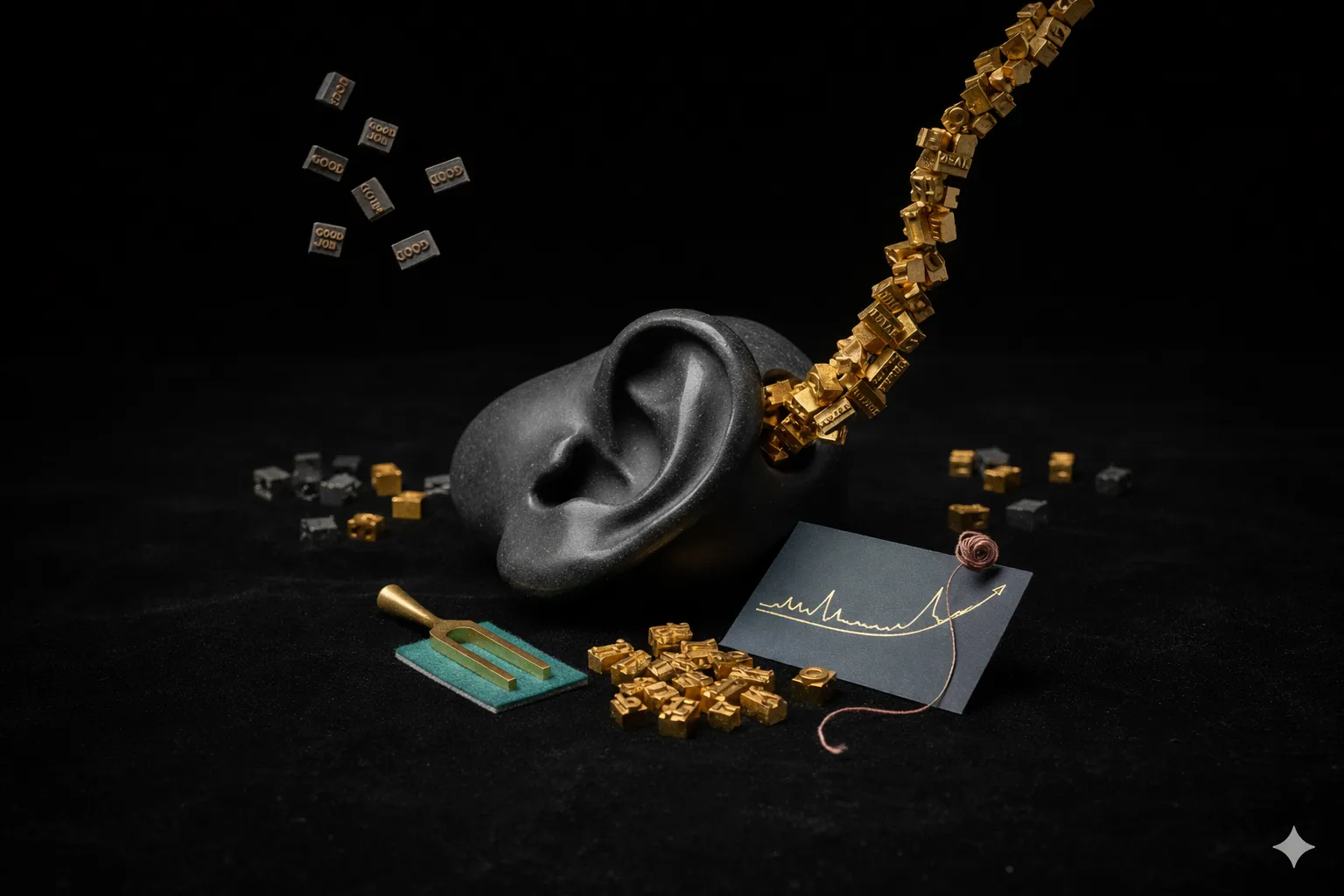
This is why recognition specificity matters. "Great job" triggers minimal dopamine response because the brain cannot connect it to a specific behavior. "Great job turning around the Acme deal after they went dark for three months" triggers a stronger response because the brain can identify exactly what behavior is being rewarded.
The neuroscience also explains why recognition timing matters. Dopamine release is strongest when the reward closely follows the behavior. Recognition delivered months after the action has a fraction of the neurological impact of recognition delivered within days.
For sales leaders and marketing leaders designing recognition approaches, the science points to clear principles: be specific, be timely, and be consistent. The brain will do the rest.
Frequency Matters: Why Annual Awards Are Not Enough
Many companies rely on annual recognition: President's Club, yearly awards ceremonies, and end-of-year bonuses. These programs have value, but they are insufficient on their own.
.png)
Research from the O.C. Tanner Institute found that recognition impact decreases significantly when it occurs less than monthly. Employees who receive recognition only annually show engagement levels barely higher than those who receive no recognition at all.
The reason is neurological. Dopamine response requires regular reinforcement to sustain motivation. A single recognition event, no matter how significant, cannot maintain engagement across twelve months.
This does not mean annual awards are worthless. They serve a different function: creating career-defining milestone moments that employees remember and reference for years. Being named to President's Club or receiving a Salesperson of the Year award provides external validation that daily recognition cannot match.
The optimal approach combines both:
Frequent informal recognition (weekly or bi-weekly) maintains engagement and reinforces positive behaviors in real-time. This can be as simple as a thank-you message, a shout-out in a team meeting, or acknowledgment of a specific win.
Periodic formal recognition (quarterly or annually) creates milestone moments that validate cumulative achievement. External awards programs add credibility that internal recognition cannot provide.
Sales leaders who rely solely on annual recognition leave eleven months of potential reinforcement on the table. Marketing leaders who only recognize sales when deals close miss the opportunity to reinforce the pipeline-building activities that lead to those deals.
Source Matters: The Power of Cross-Functional Recognition
Not all recognition carries equal weight. Research consistently shows that the source of recognition significantly impacts its effectiveness.
Recognition from a direct manager is expected. Valuable, but expected. Salespeople assume their manager is paying attention to their performance because that is the manager's job.
Recognition from peers carries different weight. It signals respect from people who understand the work firsthand. Peer recognition often feels more genuine because peers have no obligation to provide it.
Recognition from other functions, particularly marketing, carries unique power. When someone outside the sales organization notices and appreciates a salesperson's work, it signals that performance is visible beyond the immediate team. It breaks down silos and builds cross-functional relationships.
A study published in the Journal of Applied Psychology found that cross-functional recognition had 23% greater impact on engagement than same-function recognition. The researchers attributed this to the "audience effect," where recognition gains value when it comes from unexpected sources.
For marketing leaders, this research has practical implications. Recognition you provide to salespeople has outsized impact precisely because you are not their manager. When you thank a salesperson for closing a deal that came from your lead generation efforts, that recognition means more than the same words from their sales director.
This is one reason National Salesperson Day encourages nominations from marketing teams. Cross-functional recognition strengthens partnerships and carries psychological weight that internal sales recognition cannot match.
Public vs. Private: What the Research Says
Should recognition be public or private? The research suggests both have value, but for different reasons.

Public recognition satisfies achievement-oriented individuals who value status and external validation. Many salespeople fit this profile. Public recognition also creates social proof, showing others what behaviors are valued and encouraging imitation.
A Harvard Business Review study found that public recognition increased the likelihood of repeat high performance by 34% among achievement-oriented employees. The visibility itself became motivating.
However, public recognition has risks. It can create resentment among those not recognized. It can feel performative if done poorly. And some employees, even in sales, prefer private acknowledgment.

Private recognition builds personal connection between the recognizer and recipient. It feels more sincere because it lacks any performative element. The recognizer gains nothing from private recognition except the relationship benefit, which signals genuine appreciation.
Research from the Society for Human Resource Management found that 40% of employees prefer private recognition, even in sales-oriented cultures. The preference often correlates with experience level: senior salespeople tend to prefer private recognition, while earlier-career salespeople often prefer public acknowledgment.
The practical recommendation: default to private recognition for individual conversations and public recognition for team settings, but pay attention to individual preferences. Some salespeople light up when recognized in front of peers. Others are visibly uncomfortable. Knowing your people allows you to match the approach to the person.
The Cost of No Recognition
The absence of recognition is not neutral. It has measurable negative effects.
Gallup research shows that employees who feel ignored by their manager are twice as likely to be actively disengaged as employees who receive negative feedback. Read that again: being ignored is worse than being criticized.
For salespeople, lack of recognition compounds the rejection they already face externally. If a salesperson makes 100 prospecting calls and hears "no" 95 times, then returns to an organization that offers no acknowledgment of their effort, the message is consistent across all sources: your work does not matter.
The costs manifest in multiple ways:
Turnover: Unrecognized employees leave. In sales, where skills are transferable and recruiters are abundant, departure often comes suddenly. The company loses institutional knowledge, customer relationships, and pipeline momentum.
Disengagement: Before leaving, unrecognized employees disengage. They hit minimum activity metrics without discretionary effort. They stop mentoring junior team members. They attend meetings but do not contribute.
Quiet quitting: A more recent phenomenon, quiet quitting describes employees who remain but reduce effort to the contractual minimum. For salespeople, this might mean making quota but not exceeding it, following up on inbound leads but not doing outbound prospecting, or maintaining existing accounts without pursuing expansion.
Cultural decay: When top performers leave or disengage due to lack of recognition, remaining employees notice. A culture of low recognition becomes self-reinforcing as engaged employees depart and disengaged employees remain.
The financial impact is substantial. Gallup estimates that disengaged employees cost organizations 18% of their annual salary in lost productivity. For a sales team of 20 with an average OTE of $150,000, that represents over $500,000 annually in productivity loss, not counting turnover costs.
Recognition is not just about making people feel good. It is about avoiding the quantifiable costs of neglect.

Building a Recognition Culture: Evidence-Based Approaches
Creating a culture of recognition requires more than occasional gestures. Research points to specific structural approaches that sustain recognition over time

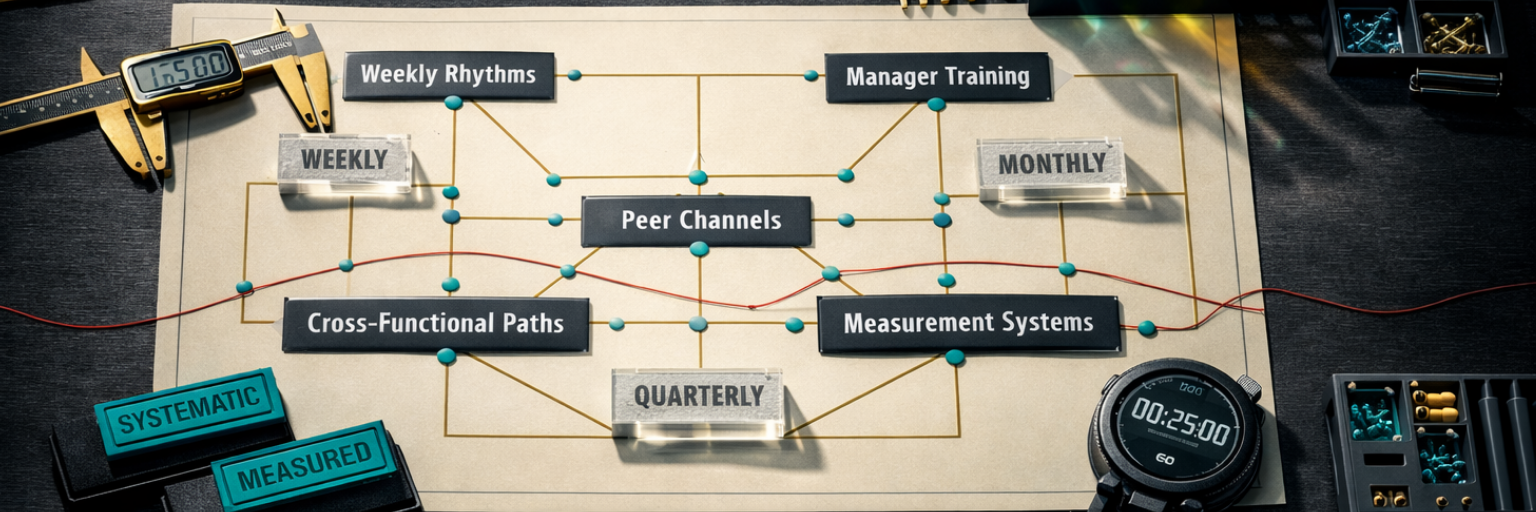
Make it systematic, not sporadic. Recognition that depends on individual manager initiative will be inconsistent. Build recognition into operational rhythms: weekly team meetings include a recognition segment, monthly reviews include acknowledgment of specific achievements, quarterly business reviews highlight top performers.
Train managers on specificity. Most managers default to generic praise because they have not been taught otherwise. Training on the neuroscience of recognition and the importance of specificity transforms well-intentioned but ineffective recognition into high-impact reinforcement.
Enable peer-to-peer recognition. Relying solely on top-down recognition limits volume and misses the unique value of peer acknowledgment. Tools and norms that enable salespeople to recognize each other multiply recognition without additional management effort.
Include cross-functional channels. Create easy pathways for marketing to recognize sales and vice versa. This might be a Slack channel, a segment in all-hands meetings, or simply cultural permission to send thank-you notes across organizational lines.
Connect to external recognition. Internal recognition builds culture. External recognition builds careers. Programs like the Salesperson of the Year Awards provide validation that internal programs cannot match. Companies that nominate employees for external recognition signal that they see their people as exceptional, not just adequate.
Measure and adjust. Recognition programs should be measured like any business initiative. Track recognition frequency, source distribution, and correlation with retention and performance metrics. Use data to identify gaps and adjust approaches.
The companies with the strongest recognition cultures did not achieve them accidentally. They built systems, trained leaders, and created norms that sustain appreciation across the organization.
What Marketing Leaders Can Do
Marketing leaders have unique leverage in building recognition culture because cross-functional recognition carries outsized impact.
Recognize salespeople who close marketing-sourced leads. When a deal closes from a lead your team generated, acknowledge the salesperson who made it happen. This takes minimal effort and builds partnership.
Acknowledge pipeline building, not just closing. If a salesperson advanced multiple opportunities generated from your campaigns, recognize that progress even before deals close. This signals that you understand the full sales engagement process.
Nominate exceptional salespeople for external recognition. The Salesperson of the Year Awards welcome nominations from marketing partners. Your nomination carries different weight than one from a sales manager precisely because you are outside the sales hierarchy.
Share data that validates sales effort. When you can show that a salesperson's efforts contributed to campaign success, share that data. Attribution that credits sales appropriately is a form of recognition.
Include sales in marketing wins. When campaigns succeed, acknowledge the sales team that converted the leads. Public recognition of the partnership builds goodwill and sets the expectation of mutual appreciation.
What Sales Leaders Can Do
Sales leaders set the recognition tone for their teams. Research-backed approaches maximize impact.
Build recognition into your operating rhythm. Start team meetings with wins. End one-on-ones with acknowledgment. Make recognition so routine that its absence is noticed.
Be specific about what you recognize. Reference the exact deal, the specific behavior, the particular challenge overcome. Generic praise feels obligatory. Specific recognition feels genuine.
Recognize effort through rejection. Salespeople who made 500 prospecting calls and booked 15 meetings faced 485 rejections to achieve that outcome. Recognize the persistence, not just the result.
Nominate your top performers externally. Internal recognition is necessary but limited. External recognition like National Salesperson Day awards provides career validation that you cannot provide alone.
Model recognition across functions. When you publicly thank marketing for lead quality or campaign support, you set an expectation that cross-functional appreciation is normal. Your team will follow your example.
Track recognition patterns. Notice who on your team receives recognition and who gets overlooked. Consistent top performers sometimes get taken for granted. Steady contributors sometimes become invisible. Intentional awareness prevents recognition gaps.
The Recognition Imperative
Recognition is not about being nice. It is not about making people feel good. It is not a soft skill or a culture add-on.
Recognition is a business strategy with measurable ROI. The research is clear:
Recognized employees stay longer. They engage more deeply. They perform at higher levels. They build stronger cultures. They make the people around them better.

For sales organizations facing constant rejection, high turnover, and intense pressure, recognition is especially essential. The data shows that recognition counterbalances the psychological tax of sales work and reinforces the behaviors that drive revenue.
Marketing leaders who recognize sales build partnerships that improve lead follow-through and close rates. Sales leaders who build recognition cultures retain their best people and attract new talent. Companies that invest in recognition outperform those that neglect it.
The question is not whether recognition matters. The research has answered that conclusively.
The question is whether your organization will treat recognition as the strategic imperative the evidence shows it to be.
FAQ
What does research say about employee recognition and retention?
Gallup research shows employees who receive regular recognition are 63% more likely to stay at their current job. SHRM studies found companies with structured recognition programs experience 31% lower voluntary turnover. For sales roles with 25-35% annual turnover and replacement costs exceeding $100,000, recognition programs deliver measurable ROI through retention alone.
Why does recognition matter more for salespeople than other roles?
Salespeople face rejection rates exceeding 90% in prospecting activities. The brain processes rejection similarly to physical pain. Recognition provides psychological counterbalance to this accumulated rejection, preventing learned helplessness and burnout. Without regular recognition, the weight of constant rejection leads to disengagement and departure.
Is public or private recognition more effective for sales teams?
Research shows both serve different purposes. Public recognition increases repeat high performance by 34% among achievement-oriented salespeople and creates social proof. Private recognition builds personal connection and feels more sincere. About 40% of salespeople prefer private acknowledgment. The most effective approach matches recognition style to individual preference.
How often should salespeople be recognized?
O.C. Tanner Institute research found recognition impact decreases significantly when it occurs less than monthly. Weekly or bi-weekly informal recognition maintains engagement through regular reinforcement. Annual milestone recognition like Salesperson of the Year Awards provides career-defining moments. The optimal approach combines frequent informal recognition with periodic formal programs.
National Salesperson Day is January 16th. Nominations for the Salesperson of the Year Awards are open at salesperson.com/day/awards